
A recent meta-analysis, spearheaded by Dr. Aditya K. Panda and co-authored by Tapan K. Singh Nayak from the Department of Biotechnology at Berhampur University, in collaboration with Dr. Shovit Ranjan from Kolhan University Jharkhand, and Dr. Raju Kumar and Dr. Shafiul Haque from Jazan University, Saudi Arabia, has identified significant mental health challenges among patients with systemic lupus erythematosus (SLE). The study examined data from 11 studies encompassing 1,515 SLE patients, revealing that 16.8% experienced suicidal ideation, 2.7% attempted suicide, and 0.9% died by suicide. Conducted through an extensive review of global literature databases, the research underscores the substantial psychiatric burden faced by SLE patients, often intensified by chronic illness and systemic inflammation. The study emphasizes the urgent need for clinicians to routinely screen for suicidal ideation in SLE patients and to ensure timely referrals to mental health professionals to avert such tragic outcomes. This collaborative endeavor offers valuable insights for enhancing holistic care for SLE patients globally.
25/03/2025


31/12/2025 Prof. Bidyut K. Das and Dr. Rina Tripathy visited ImmGen EvSys lab
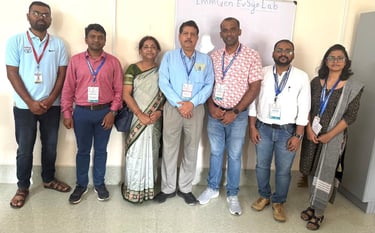
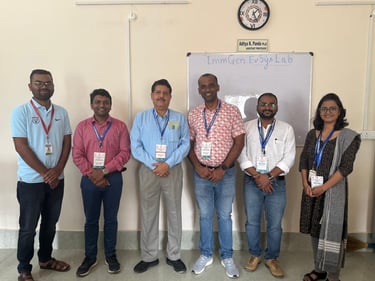
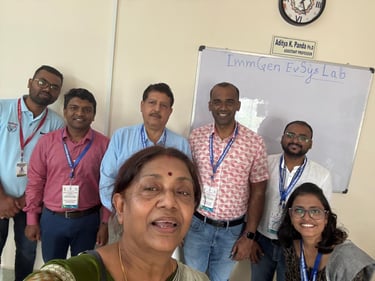
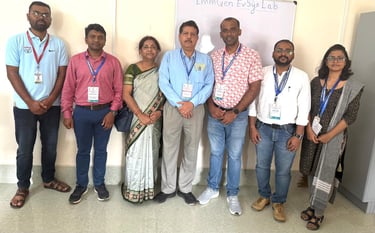
Prof. Bidyut K. Das and Dr. Rina Tripathy from SCB Medical College, Cuttack, visited the ImmGen EvSys Lab, where they interacted with PhD scholars and discussed ongoing research initiatives. Prof. Das, a long-standing advisor and collaborator with the group since 2005, along with Dr. Tripathy, brings extensive expertise in Biochemistry. Their visit facilitated insightful discussions on immunogenetics and experimental systems. The interaction enriched the scholars' understanding of disease mechanisms and advanced research methodologies, further strengthening interdisciplinary cooperation in the study of autoimmune conditions.
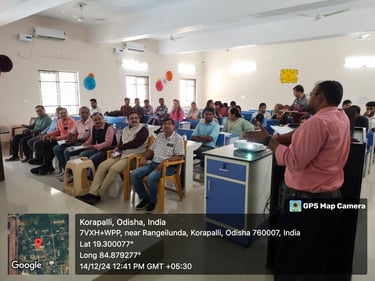
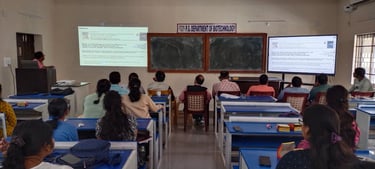
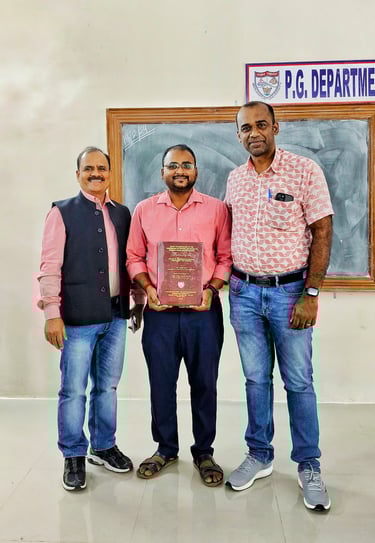
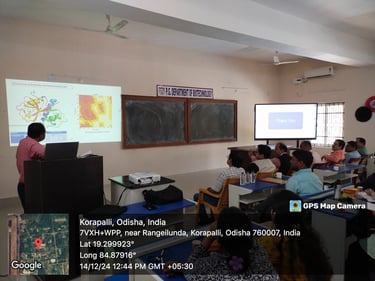
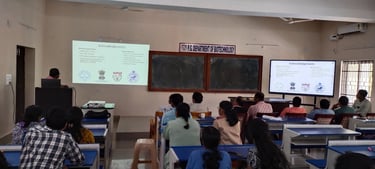
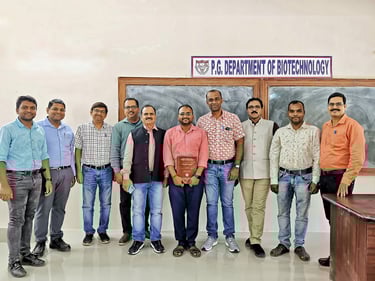
14/12/2024 Ph.D defense of Mr. Abhijit Pati
We are delighted to announce that Abhijit Pati has successfully defended his PhD thesis titled "Effect of Bromelain in the Modulation of Immune Molecules in Systemic Lupus Erythematosus." His research provides valuable insights into the immunomodulatory potential of Bromelain and its implications in managing systemic lupus erythematosus (SLE), a complex autoimmune disorder.
The PhD defense was held on 14/12/2024, where Abhijit eloquently presented his findings and engaged in an in-depth discussion with the examination panel. The external examiner for the defense was Dr. Sunil Kumar, Principal Scientist, Center for Agricultural Bioinformatics (CABIN), IASRI (ICAR), New Delhi, India, whose valuable insights and expert evaluation further enriched the discussion. His constructive feedback and appreciation highlighted the significance of Abhijit's contributions to the field of immunotherapy and biomedical research.
We extend our heartfelt congratulations to Abhijit for his outstanding achievement and commend his dedication and perseverance throughout his doctoral journey. His work adds a new dimension to autoimmune research and paves the way for future advancements in therapeutic interventions for SLE. We wish him continued success in his future academic and research endeavors.
Once again, congratulations to Dr. Abhijit Pati on this remarkable milestone!
08/10/2024 Thesis submission of Mr. Abhijit Pati
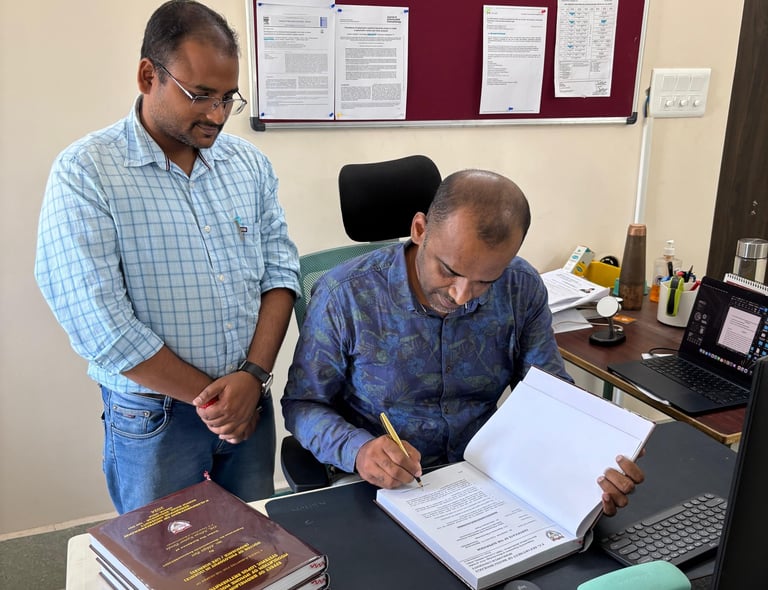
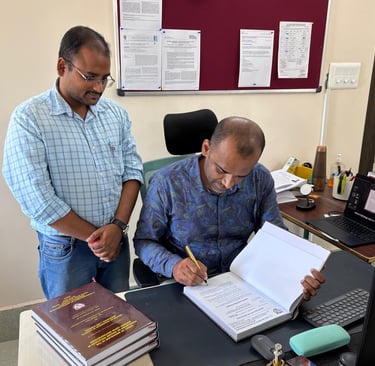
Mr. Abhijit Pati has successfully submitted his PhD thesis titled "Effect of Bromelain in the Modulation of Immune Molecules in Systemic Lupus Erythematosus." His research explores the therapeutic potential of Bromelain, a proteolytic enzyme, in regulating immune responses associated with systemic lupus erythematosus (SLE). Through his work, he has contributed significantly to understanding the immunomodulatory properties of Bromelain, shedding light on its potential as a complementary approach in managing SLE. During his doctoral journey, Abhijit has published several research articles in reputed journals, further strengthening the scientific discourse on autoimmune diseases and novel therapeutic interventions. His thesis marks a significant step in advancing biomedical research on SLE and opens avenues for future investigations in immunotherapy.